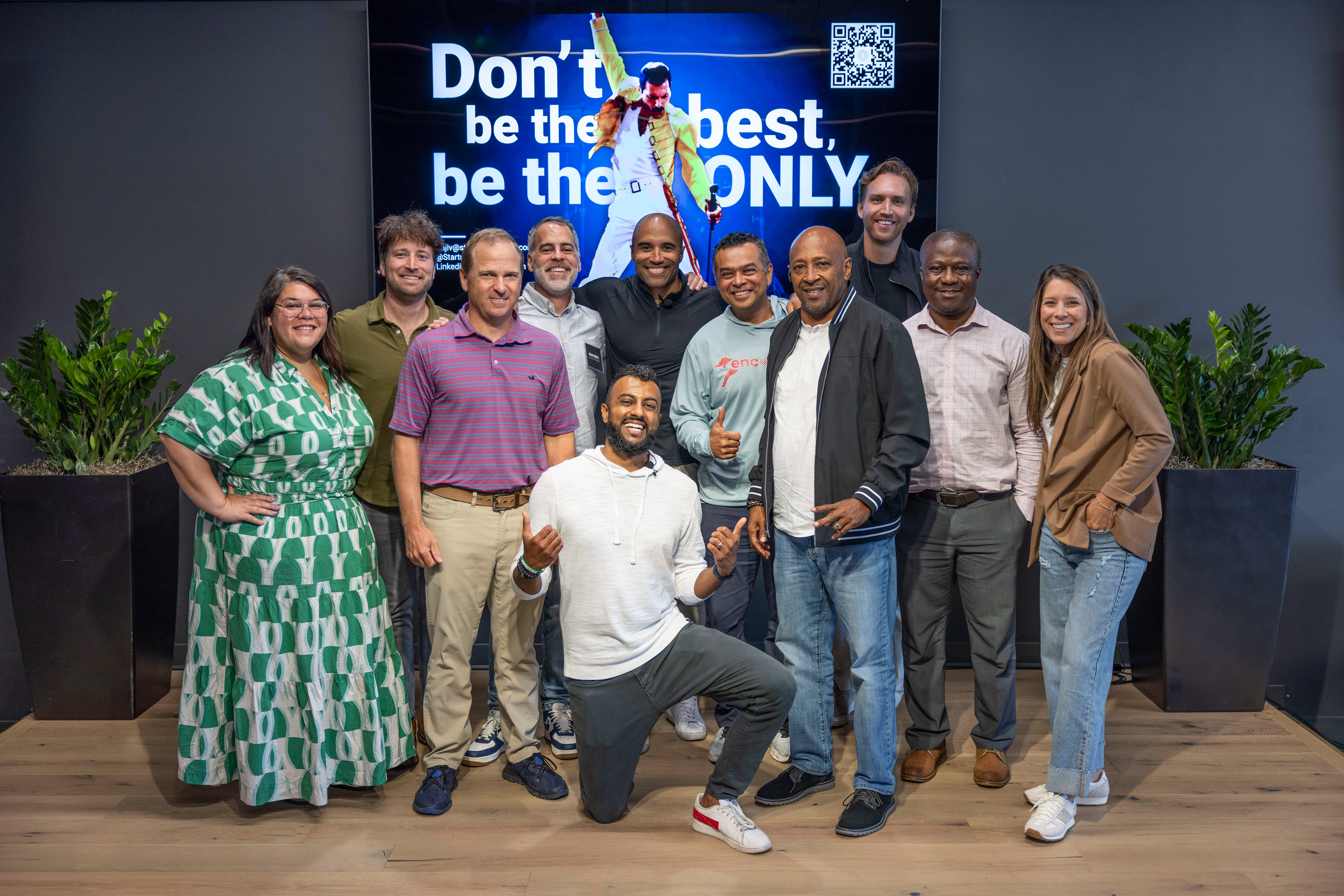
College athletics is changing faster than ever, and Jim Cavale believes athletes deserve a voice in shaping what comes next.
For Jim Cavale, Founder of Athletes.org, that conversation goes far beyond the pitch.
Athletes.org is building something college sports has never truly had before: a players association for college athletes. In professional sports, players associations help athletes have a voice in the rules, standards, and business structures that define their leagues. Jim believes college athletes need the same thing now more than ever.
“Athletes.org is the players association for college athletes,” Jim said. “We’re building it to represent athletes in setting the rules for college athletics.”
Today, Athletes.org has signed up more than 5,000 active college athletes as members. Membership is currently free, with the long-term vision of creating an organization that can represent athletes collectively while also opening the door to group licensing opportunities around things like video games, trading cards, and other uses of athletes’ name, image, and likeness.
At a time when college sports is changing quickly, Jim sees Athletes.org as a way to bring structure, representation, and clarity to a system that has become increasingly complicated.
Seeing the Game Change Before Everyone Else
Jim’s path to Athletes.org started with a front-row seat to one of the biggest shifts in college athletics: NIL.
Through his previous company, INFLCR, which was acquired by Teamworks, Jim helped build software for college athletics departments. Part of that work involved NIL technology that processed transactions between athletes, donor collectives, and brands.
What he saw in the data told a bigger story.
Jim realized that much of what was being called NIL was functioning more like pay-for-play. The system was moving fast, but without enough structure around it. Schools were competing to outspend one another. Athletes were navigating deals, expectations, and compensation without the same kind of collective voice professional athletes have had for decades.
Jim saw the writing on the wall.
College sports needed transfer rules. It needed academic standards. It needed health and safety standards. It needed eligibility rules. It needed structure around compensation.
Most importantly, Jim believed athletes needed a seat at the table before those rules were written.
That belief became the foundation for Athletes.org.
The Founder Behind the Mission
Athletes.org is not Jim’s first company. He has built across industries, from NextSpex to Iron Tribe Fitness to INFLCR, and each experience taught him something that still shapes the way he builds today.
The biggest lesson?
“You can’t build anything great without great people.”
Jim says the more a founder tries to do alone, the less scalable the company becomes. Great founders have to understand their own weaknesses, bring in people who complement them, and build teams that make the entire company stronger.
Each company also gave him a different kind of lesson.
At NextSpex, Jim learned the value of recurring revenue the hard way. After building a strong subscription model, the company shifted toward an advertising and freemium model. Looking back, he says that was a mistake.
“Don’t ever give up recurring revenue,” he said.
At Iron Tribe Fitness, Jim learned the power of community and the importance of clearly defining your audience. The company grew into nearly 50 gyms across the Southeast and became what many people considered a “third place” — not home, not work, but a place where people belonged.
But Jim also saw how important focused marketing can be. Trying to reach everyone can water down the message. Building for a specific audience can create deeper traction.
At INFLCR, Jim learned what it takes to lead inside a growing company. After the acquisition by Teamworks, he stayed on board and learned that as companies grow, founders have to become internal salespeople. Even as a CEO, it is not enough to have the idea. You have to bring people along, help them understand the vision, and make them feel ownership in what comes next.
Building in a Market That Changes in Real Time
College athletics is changing quickly. NIL, transfer rules, employment conversations, media rights, and the role of athletes are all shifting at once.
For founders building in industries like that, Jim’s advice is simple: become a student of the game.
That means staying curious, doing daily research, reading what is happening in the market, paying attention to regulatory changes, watching the competitive landscape, and surrounding yourself with advisors who can help you see around corners.
Jim also sees AI as a tool that can help founders keep up. By feeding AI the right information from inside a business and pairing it with outside market intel, founders can build daily briefs that help them understand what is changing and where things may be headed.
“You should wake up not just thinking about the present, but thinking about where this is going,” Jim said.
For Jim, the danger is getting stuck in the past. He points to examples like Blockbuster, Kodak, and the record labels that fought disruption instead of building what came next.
The lesson for founders is clear: the market is going to move. The rules are going to change. The companies that win are the ones paying attention before the shift becomes obvious.
Why It Matters
Athletes.org is tackling a massive challenge: helping college athletes organize, understand their value, and have a voice in the future of college sports.
It is a mission built for a changing market, but it is also a founder story about timing, pattern recognition, and conviction.
Jim saw a system changing in real time. He understood where the pressure points were. And instead of waiting for someone else to build the solution, he stepped in.
That is the kind of founder story we love at Innovation Depot.
Because whether you are building in sports, software, healthcare, finance, or any other fast-moving industry, the work is the same: study the market, build the right team, listen closely, and create the thing the future is going to need.
As Jim put it, founders have to stay in front of what is coming.
For any entrepreneur building in a fast-changing market, that may be the real lesson: study the shifts, surround yourself with the right people, and build toward the future before the rest of the market catches up.
Get the monthly newsletter
Learn about upcoming events and the latest news in tech. Delivered to your inbox weekly.